
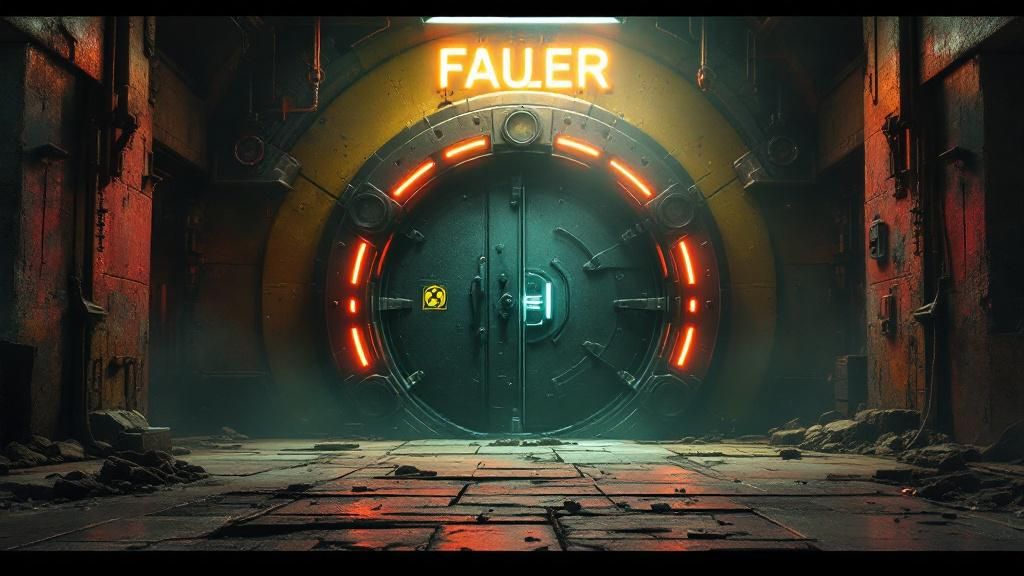
Amazon’s Fallout TV series has shattered streaming records, accumulating 100 million global viewers across both seasons of the Prime Video show. The second season alone has attracted 83 million viewers since its release, whilst the first season reached 65 million upon its original release. The total viewing numbers establish Fallout as one of Amazon MGM Studios’ biggest TV properties to date, exceeding even the company’s previous flagship series The Rings of Power. Notably, these viewing metrics are calculated from the number of people who started watching rather than those who watched full episodes, though the figures still constitute a significant achievement for the video game-to-TV adaptation.
A Streaming Sensation Across Two Seasons
The second season’s release has proven instrumental in revitalising engagement in the entire franchise, generating a substantial halo effect that propelled the first season’s viewership to the 100-million viewer milestone. Peter Friedlander, head of global television at Amazon MGM Studios, expressed enthusiasm about the show’s progression, stating that Fallout now ranks amongst the company’s top four biggest seasons ever launched. The ongoing success demonstrates the franchise’s capacity to sustaining audience engagement across multiple releases, a feat rarely achieved in the competitive streaming landscape where viewer retention typically drops significantly between seasons.
Looking ahead, Amazon has already greenlit a third season, with production set to begin this summer. The expansion promises to explore new territory within the Fallout universe, introducing locations previously unseen in the video game series. This strategic development signals the studio’s confidence in the property’s long-term commercial viability and creative potential. As the franchise continues to grow, industry observers anticipate that season three could potentially surpass the audience numbers of its predecessors, cementing Fallout’s status as a defining success story in gaming adaptations.
- Second season achieved 83 million viewers worldwide on Prime Video
- First season enjoyed halo effect, attaining 100 million combined
- Fallout ranks among Amazon’s four largest seasons launched
- Season three production commences summer with fresh locations
Season Two’s Surprising Achievement
The second season of Fallout has contradicted the conventional wisdom that audience enthusiasm typically diminishes between instalments of streaming series. With 83 million viewers watching globally, the season has demonstrated impressive staying power in an increasingly crowded marketplace. This performance is particularly noteworthy given the notoriously volatile tendencies of streaming audiences, where viewer fatigue and rival content offerings frequently weaken sequel performance. The show’s ability to maintain such significant audiences suggests that the adaptation has successfully captured something fundamental about the Fallout universe that connects with both dedicated gaming fans and newcomers alike.
What makes season two’s achievement even more striking is that it has successfully reignited engagement in the whole franchise, producing a knock-on effect that elevated the first season’s viewership to the threshold of 100 million views. This mutually beneficial dynamic between seasons is somewhat unusual in the digital age, where each release typically succeeds or fails on its individual strengths. The phenomenon underscores the calibre and steadiness of the Fallout adaptation, indicating that audiences have cultivated real engagement in the plots and personalities rather than simply trying the content out of idle interest.
Viewer Engagement and Metrics
It is crucial to understand that Amazon’s audience measurements are calculated based on the quantity of viewers who initiated playback content, rather than those who viewed entire episodes or watched full seasons. This approach, whilst industry-standard, means that the 83 million figure encompasses viewers who may have watched only minutes of the content. However, the considerable size of this number—representing a significant share of Prime Video’s international audience—indicates genuine interest rather than chance interaction.
Despite the methodological limitation, the viewership figures remain remarkably significant for a gaming adaptation. The fact that tens of millions of people chose to start watching on Fallout’s second season, even if not all finished it, demonstrates the show’s considerable cultural penetration and appeal. This viewer engagement provides Amazon with valuable data about audience appetite for the franchise, justifying the studio’s continued investment in future seasons and expansions within the Fallout universe.
What These Figures Mean for Prime Video
For Amazon MGM Studios, the Fallout phenomenon reflects a substantial affirmation of its strategy to invest heavily in high-quality game-to-screen projects. In an increasingly competitive streaming landscape where original content is essential, acquiring a series that reaches 100 million viewers across two seasons establishes Prime Video as a genuine competitor in the entertainment industry. His statements underscore Amazon’s belief in the property, with the studio having approved season three for filming this summer. The achievement of Fallout shows that game franchises, when managed with care and creative integrity, can translate into mainstream entertainment that extends far beyond the core gaming demographic.
The ripple effect whereby season two’s success elevated season one’s viewership to 100 million is particularly instructive for streaming platforms. It suggests that compelling stories creates forward movement that benefits the complete franchise network, encouraging viewers to revisit previous seasons and remain committed to forthcoming content. This positive feedback loop is just what Amazon needs to justify its significant investment in production and keep audiences engaged. With season three already in development and intentions to explore new locations unexplored in the games themselves, Prime Video appears committed to broadening the Fallout world in ways that will maintain fascination with audiences worldwide.
| Season | Viewer Count |
|---|---|
| Season One | 100 million |
| Season Two | 83 million |
| Combined Initial Launch | 65 million (season one only) |
- Fallout ranks among Prime Video’s top four biggest seasons released globally.
- Season three production begins over the summer months with previously unseen gaming locations included.
- Gaming adaptations demonstrate viability as mass-market content with effective creative direction.
The Path Forward for the Franchise
With season two’s remarkable performance now firmly established, Amazon MGM Studios faces the enviable challenge of sustaining success whilst exploring new creative ground. The franchise’s direction suggests that audiences are genuinely invested in the post-apocalyptic world and its cast, rather than merely sampling the offering out of passing intrigue. This ongoing engagement provides the studio with considerable latitude to broaden the narrative scope and venture into new directions. The decision to enter previously unvisited locations from the gaming universe indicates that the production team appreciates the appetite for discovery amongst audiences. As filming accelerates, the need to create something just as engaging—if not greater in impact—than the prior seasons will be considerable, yet the existing fanbase appears primed to embrace whatever follows.
The success of Fallout also places the franchise as a possible cornerstone asset for Amazon’s wider video game adaptation approach. Unlike some previous attempts to convert video games into traditional narrative formats, this series has shown that respect for source material, combined with compelling scripts and acting, can yield blockbuster results. The franchise’s power to engage both hardcore fans and casual viewers unfamiliar with the Fallout universe suggests a universal appeal that extends beyond typical viewer categories. This cross-audience appeal makes season three not merely another television season, but a critical examination of whether Amazon can sustain excellence in an ever more competitive landscape of prestige television.
Series Three and Beyond
Production commencing this summer means that viewers can probably anticipate the next instalment over the coming next year or two, assuming a equivalent timeframe to previous seasons. The prospect of venturing into new territories within the Fallout canon provides intriguing potential for story development. By stepping outside locations already featured within the games, the show can create a distinct voice whilst maintaining the visual and thematic consistency that fans have embraced. This approach allows the writers to surprise even devoted players of the Fallout franchise, creating genuine uncertainty about where the story might progress and what threats or surprises await the characters.
Looking to the future, Amazon’s investment in season three suggests confidence in the franchise’s sustained potential. Should the third season maintain or exceed the viewership figures of its previous seasons, the door opens for several more seasons and potentially spin-off series exploring different corners of the Fallout universe. The franchise’s potential to retain viewer interest over multiple instalments will ultimately decide whether Fallout becomes a defining series for Prime Video or merely a brief phenomenon. Early indicators, however, indicate that the first option is considerably more probable.
